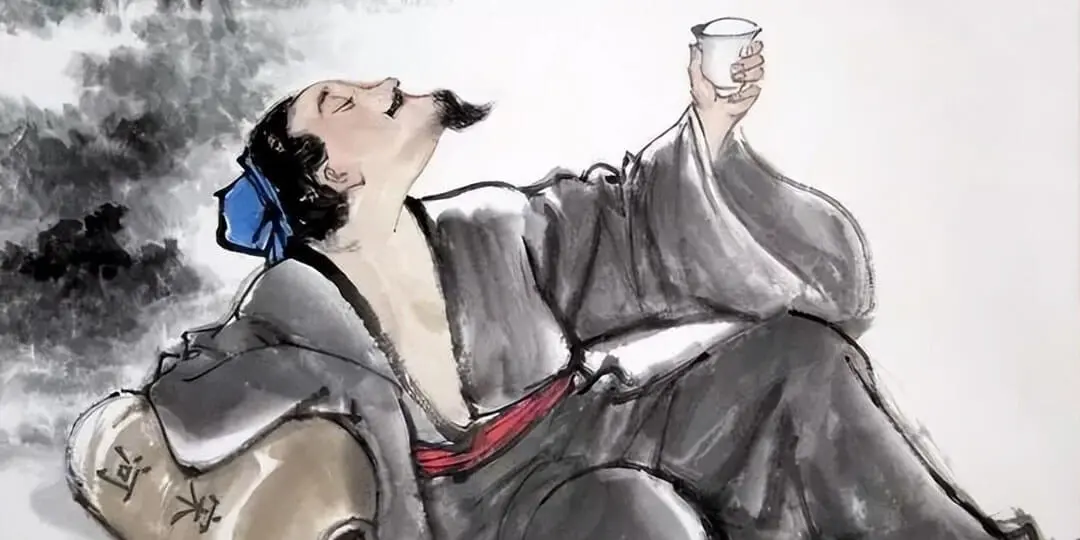
Wine in Tang Poetry: Transcendence, Solace, and Poetic Fire
In the Tang Dynasty, poetry and wine were inseparable twin spirits. To write poetry without wine was like painting without colors.
Far beyond a simple alcoholic beverage, wine in classical Chinese poetry served as a spiritual catalyst—a mechanism for breaking free from social conventions, comforting the exiled, and touching the transcendent realm of the Tao.
1. The Fuel of Immortal Creativity
The most famous champion of wine was undeniably Li Bai, nicknamed the “Sage of Wine” (酒仙). For Li Bai, wine was the key that unlocked his wild, cosmic imagination. When sober, he was a mortal; when drunk, he was an immortal visiting the human realm.
In his legendary masterpiece Bring in the Wine (将进酒), he celebrates the joy of uninhibited spending and drinking:
Cook a sheep, kill a cow, and let us be merry; We must drink three hundred cups in a single breath! Gold and nobility are fleeting, but the names of great drinkers endure forever.
For Li Bai, wine was a declaration of defiance against political frustration and the worldly pressure to conform.
2. Solace for the Broken-Hearted
Where Li Bai drank to soar into the heavens, Du Fu and later poets drank to drown the excruciating pain of reality.
During times of poverty, war, and political exile, wine provided a temporary anesthetic. Du Fu, suffering from illness and displacement in his old age, lamented that he could no longer even afford or tolerate the wine that once brought him comfort.
Wine thus captured the profound dichotomy of human emotion: in times of prosperity, it amplified joy; in times of tragedy, it mirrored sorrow.
3. The Daoist Escape from Convention
In ancient China, strict Confucian etiquette governed every detail of social life. Drinking provided a socially acceptable mask to cast off these rigid rules.
Under the influence of wine, poets could express outrageous political opinions, weep openly, or sleep on mountain rocks without facing judgment. It was the ultimate ritual of emotional liberation.